
Adult Family Home Website Trust: What Families Need
Families searching for an adult family home are rarely browsing casually. Many are working through a hospital discharge, a waiting list, or a difficult stretch of caregiving, and they need to make a decision quickly. That is why the first impression a website makes carries so much weight for an adult family home business.
Adult family homes in Washington are residential homes licensed to care for up to six non-related residents. They provide room, board, laundry, necessary supervision, and care. A licensed six-bed home in Tacoma, for example, promotes 24-hour residential care in a comfortable, home-like setting. Many homes do excellent work that simply never shows up online, and that gap costs them inquiries from families who would have been a great fit.
Why Families Judge a Home Before They Ever Call
Most families do not start with a phone call. They start with a search, a Facebook group question, or a Reddit thread. In one Facebook group for adult family home providers, a member posted asking where to find someone who could build a website, which shows how common that need is among owners. In a Reddit thread about finding a home for a parent in Everett, a commenter pointed the family toward a page listing vetted options and what to look for. That is the pattern: families gather third-party opinions first, then look up the home’s own website to confirm what they heard.
Public discussions about adult family homes also show that families raise real questions about staffing, language, and qualifications. A website cannot settle every concern, but it can answer the basics in plain language. When a home publishes clear information about who it serves and how it operates, it removes guesswork for families who are already stressed.
What Washington Families Look For on an Adult Family Home Website
The most effective sites answer the same handful of questions in the same order a family would ask them. Structure matters as much as wording.
A clear description of the home and who it fits
State the type of care offered and the residents you serve. Some homes describe a specialized focus, such as dementia and mental health care with a person-centered approach. Others emphasize 24-hour assisted living for seniors in a family-like environment. Naming your focus helps the right families self-select and keeps your phone from ringing with inquiries you cannot serve.
Licensing and capacity stated openly
Because adult family homes are licensed residential settings capped at six non-related residents, capacity is a selling point, not a detail to hide. Say plainly that the home is licensed and how many residents it serves. Families comparing a six-bed home to a larger facility are often looking for exactly that smaller setting, so lead with it rather than making them dig for it.
How day-to-day care actually works
Explain what a typical day includes: meals, supervision, laundry and housekeeping support, and how caregivers are available. Homes in the Greater Seattle area frequently highlight around-the-clock support, dignity, and respect in their service descriptions. Your version of that story should be specific to your home rather than copied from a competitor.
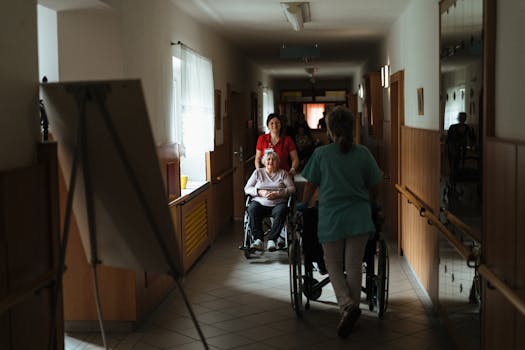
Trust Signals That Do the Heavy Lifting
Trust is built through evidence, not adjectives. Three types of content do most of the work.
Testimonials and family stories
Marketing guidance for adult family homes consistently recommends featuring testimonials prominently on your website and marketing materials, because real-life stories from satisfied families help build trust with new ones. Ask current families for a short quote about their experience, get their permission to publish it, and place those quotes near your contact information rather than burying them on a separate page.
Photos of the actual home
Families want to picture their relative living somewhere. Photographs of the entry, common areas, a resident bedroom, and the yard answer more questions than any paragraph can. Avoid stock images of generic medical settings. A real kitchen table and a real garden build far more confidence than a polished photo that could belong to anyone.
A direct way to book a tour
The single most valuable button on an adult family home website is the one that starts a visit. Homes that place a prominent tour request link in the header and repeat it at the bottom of each page make it easy for families to take the next step. Pair that button with a phone number, an email address, and the communities you serve so families know instantly whether you are nearby.
Where Adult Family Home Websites Usually Fall Short
Reviewing what providers ask for in forums and what family-facing sites actually publish, the same gaps appear repeatedly.
- No license or capacity information anywhere on the site
- No photographs, or only stock photos that do not show the home
- Service area left vague, so families cannot tell if the home is near them
- Contact form with no phone number and no response expectation
- Text written in clinical jargon instead of the language families use
- A site that is hard to read on a phone, where most family searches begin

Writing for Families Who Are Searching Under Pressure
Families often arrive with questions the website cannot fully answer, such as what a home costs, how payment works, or whether an adult family home is considered assisted living. Those are questions worth confirming with the Department of Social and Health Services or the Adult Family Home Council rather than guessing at on your own site. What your website can do is explain how your home handles those conversations, who to call, and what to expect during a tour.
Keep sentences short. Use headings that match the questions families type into search engines. Write about your community by name so a family in Kent, Maple Valley, Bonney Lake, or Kirkland can quickly tell whether you are a realistic option. Plain, specific writing reads as honest, and honesty is the entire product when someone is deciding where a parent will live.
Mobile Speed and Local Search Basics
Most family searches happen on a phone, often in a hospital hallway or a parked car. A site that loads slowly or requires pinch-to-zoom loses that visitor in seconds. Practically, that means a mobile-responsive layout, compressed images, readable font sizes, and phone numbers that dial with a tap.
Local search matters just as much. Include your city and the surrounding areas you serve in page titles and headings. Keep your name, address, and phone number consistent everywhere they appear online. If your home is listed in directories and community resource pages, make sure the details there match your website so families who find you in a Reddit thread or a local list land on a page that confirms what they read.
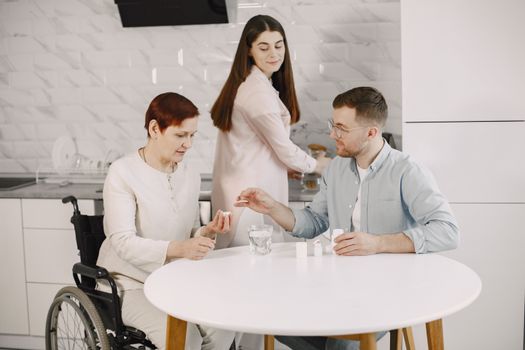
Getting the Technical Pieces Handled
Most adult family home owners did not start their careers wanting to manage hosting renewals, domain records, and business email accounts. Working with one provider who handles design, managed hosting, domain registration, business email, and Microsoft 365 or Google Workspace setup keeps those details from falling through the cracks. HSINGH WEB STUDIO is a small studio based in Covington, Washington that serves businesses across South King County and the greater Seattle area, and publishes custom website pricing from $299 to $799 depending on scope. Ask any provider for a written quote that lists what is included and who owns the domain and content afterward.
The Adult Family Home Council serves as a trusted resource and advocate for adult family home providers in Washington state, offering support to owners navigating both care standards and business operations. Pairing that kind of professional guidance with a website that clearly explains your home gives families two reasons to trust you before they ever pick up the phone.
Frequently Asked Questions
What should every adult family home website include?
At minimum, include a plain description of the care you provide, confirmation that your home is licensed, the number of residents you serve, real photographs of the home, testimonials from families with permission, your service area, and a clear way to request a tour. Phone and email contact should appear on every page rather than only on a contact form.
Do I still need a website if most residents come from referrals?
Yes, because referrals now lead almost everyone to search. When a discharge planner, a friend, or a Facebook group member mentions your home, the next step is usually a quick lookup. If that search returns nothing, or returns outdated information, the referral quietly stalls. A simple, current website confirms the referral and gives families a way to act on it.
How do I build trust with families who have never heard of my home?
Show evidence instead of claims. Publish testimonials from real families, photograph the actual rooms and common areas, state your licensing and capacity openly, and answer common questions in direct language. Consistency helps too. Make sure the details on your website match what appears in directories and community resource listings that families already read.
Where can Washington providers find support and resources?
The Adult Family Home Council is a trusted resource and advocate for adult family home providers in Washington state, offering comprehensive support to owners. For questions about licensing, resident rights, and state requirements, the Department of Social and Health Services publishes official residential care information. Those two sources are the right places to verify details before publishing them on your own site.
How much should I expect to pay for a professional website?
Costs vary widely depending on scope, who writes the content, and whether hosting, domain registration, and business email are bundled. HSINGH WEB STUDIO publishes custom small business website pricing from $299 to $799 depending on scope. Request a written quote that separates design from ongoing hosting and maintenance so you know the full cost before you commit.